
The Ethics of a Lethal Skill
What does it mean to possess a skill designed for lethality?

If you value this story or any others, please consider sharing, or even becoming a paid subscriber. Your support is always gratefully received, and will never be forgotten. To buy me a coffee or two, please click this link.
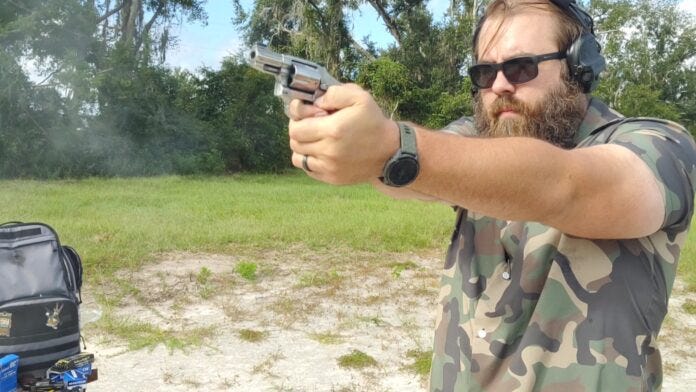
If you’re someone who is serious about carrying a firearm, either professionally or privately, you’re likely in possession of a skill that’s fairly easy to access but difficult to obtain. If you train and practice with a firearm, you possess a degree of lethal skill.
That’s all there is to it, but have you stopped to ponder what that means for you and for society? What are the responsibilities and ethics of possessing and constantly improving a lethal skill? It’s something I’ve been kicking around in my crayon-eating brain and something I wanted to talk about. It all started because I started practicing martial arts.
Lethal Skills and Ethical Dilemmas
I promise you it’s not a midlife crisis that drove me to start Judo. I’ve always been in crisis, but now I can afford it. I train at a club that’s mixed with kids and adults training at the same time, albeit separately. Part of Judo, and seemingly any martial art, is learning the ethical use of martial skills. The kids are taught not to go to school, and Seoi Nage, some kid who fouled you at basketball.